
Top-rated independent heating and cooling across north Georgia and the southern Appalachians
One Room Is Always Too Hot or Too Cold
One room in the house never feels right. The bonus room over the garage cooks all summer, or the back bedroom stays cold no matter where you set the thermostat. Everybody else is fine. We diagnose and fix single-room comfort problems across Alabama, Georgia, Kentucky, North Carolina, South Carolina and Tennessee, and most of the time the cause is airflow, duct design, or insulation rather than a broken system.
Call (888) 878-4879- Real people on the phone
- 7 days a week
- Quote in writing before any work
Taking calls until 5:00 PM ET
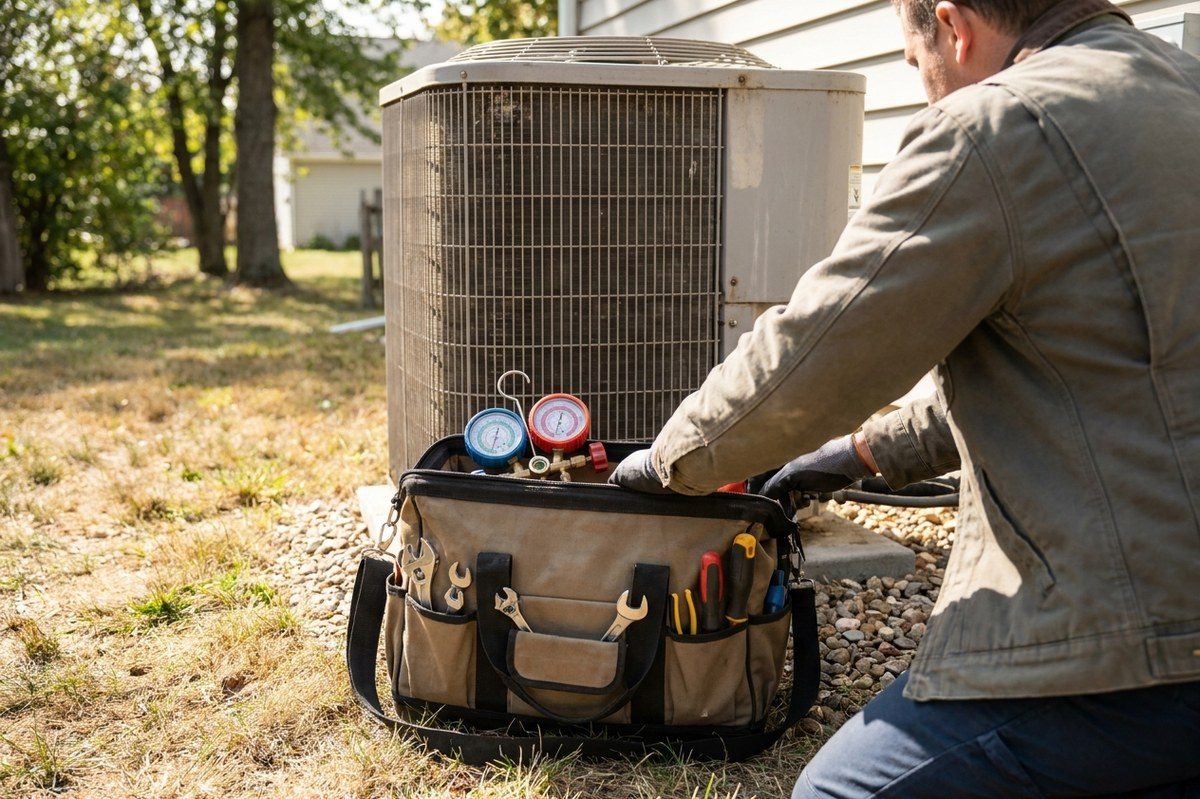
STM Heating & Air service team · field-reviewed before publishing
Why one room misbehaves while the rest of the house is fine
A room goes off on its own when the air reaching it does not match the heat load it carries. Bonus rooms over garages have unconditioned space below, above and often on three sides. Back bedrooms sit at the far end of a duct run where static pressure has already dropped. Rooms with west-facing glass pick up afternoon sun the rest of the house never sees. Add a crushed flex duct in a red clay crawlspace, a closed damper somebody forgot about, or missing insulation in a knee wall, and one room drifts ten degrees from the thermostat reading. The system is doing what it was told. The room is just being asked to do more.
Airflow and duct design, the usual culprits
Most single-room complaints trace back to the ductwork. Long flex runs with sharp bends, undersized branch ducts, a return that only serves the hallway, or a supply boot buried under blown insulation all starve a room. We see flex duct kinked around a floor joist, disconnected takeoffs dumping cool air into a crawlspace, and rooms with plenty of supply but nowhere for air to leave. Air has to get out to keep coming in. A closed door with no return path or undercut can cut delivery noticeably. Duct leakage matters too. Air lost between the air handler and the register never shows up at the grille.
Thermostat placement and insulation
A thermostat only knows the temperature where it hangs. If it sits in a hallway with good airflow while the problem room sits over a garage, the system shuts off long before that room catches up. We look at where the thermostat is, what is behind the wall it is on, and whether sun or a supply register hits it. Insulation is the other half. Knee walls, attic hatches, scuttle doors, and floors over garages are commonly under-insulated or missing air sealing entirely. Attic kneewall cavities in older foothill homes often have batts with nothing on the back side, so hot attic air moves right through.
What we measure before recommending anything
We take numbers instead of guessing. That means supply and return temperatures at the equipment and at the problem room's register, airflow at the grille, static pressure across the air handler and coil, and room temperature compared to the thermostat reading at the same moment. We pull filters and check them for restriction, inspect accessible duct runs in attics and crawlspaces for kinks, disconnections and crushed sections, and check damper positions. If the room is above a garage or under a low-slope roof, we look at insulation and air sealing too. The measurements tell us whether the fix belongs in the duct, the envelope, or the equipment controls.
The realistic fixes, from simple to structural
Start with the cheap and obvious. A clogged filter, a closed or blocked register, and furniture over a supply are worth ruling out first, and you can check those yourself. From there, common repairs include repairing or replacing a crushed duct run, reconnecting a dropped takeoff, adding or resizing a supply branch, sealing duct joints, adding a return or door undercut, and balancing dampers so the near rooms stop stealing from the far ones. Where the load is the real issue, air sealing and insulation work does more than any duct change. For rooms that will never match the rest of the house, a dedicated ductless head is often the honest answer.
One Room Is Always Too Hot or Too Cold — fast answers
Will closing vents in other rooms push more air to the cold room?
Usually not, and it can hurt. Closing registers raises static pressure across the system, which reduces total airflow and can strain the blower. Balancing dampers in the duct is the right way to redirect air, and that takes measurement.
Is a bigger system the fix for one hot room?
Rarely. Oversized equipment short cycles, dehumidifies poorly and still cannot force air down a restricted duct. If one room is the only problem, the fix belongs in the ductwork, the insulation, or a separate dedicated zone.
Why is my bonus room over the garage always the worst?
It has unconditioned space on most sides, often long duct runs, and knee walls that leak attic air. Sealing and insulating that space, then correcting airflow, gets better results than turning the thermostat down further.
How it works
- Step 1
Tell us the symptom
Call or fill in the quote form and describe what you hear, smell or feel. Warm air, short cycling, a breaker that keeps tripping. That gives us a head start on the likely cause.
- Step 2
We diagnose on site
A technician checks the thermostat, airflow, electrical connections, refrigerant performance and the outdoor unit. We work the crawlspace and the attic too, because ductwork and drainage cause more trouble than people expect.
- Step 3
You decide, then we fix it
We explain what failed, what it takes to repair it, and what we would watch next season. No work starts until you say go. Most repairs finish the same visit when parts are on the truck.
- A real person answers
- Open 7 days
- Written quote before work starts
Why homeowners call us
- Mixed heating is normal to usHeat pumps, propane furnaces and dual-fuel setups all behave differently in cold weather. We know how a heat pump should sound in the thirties and when the backup heat is doing too much of the work.
- We go under the houseRed clay crawlspaces hide crushed ducts, sweating lines and standing water. Comfort problems often start down there, not at the unit, so we look before we start replacing parts you may not need.
- Plain explanationsYou get told what broke and why, in words that make sense. If a repair is a short-term patch on an aging system, we say that out loud so you can plan instead of guessing.
- One crew, six statesWe serve homeowners across Alabama, Georgia, Kentucky, North Carolina, South Carolina and Tennessee. Same approach in every one: show up, diagnose properly, repair what needs repairing, leave the space clean.
- All major brands, gas & electricOne independent crew for Carrier, Trane, Lennox, Goodman, Rheem and more.
- Straight answersNot worth fixing? We say that out loud, and often it saves you the visit fee.
About this guide
Past the safe checks, it's a job for tools and a meter
Report what you saw during the checks and we handle the rest. A minute to book.
- A real person answers
- Open 7 days
- Written quotes
- All major brands
- Gas & electric
Rather not call? Get a free quote →